

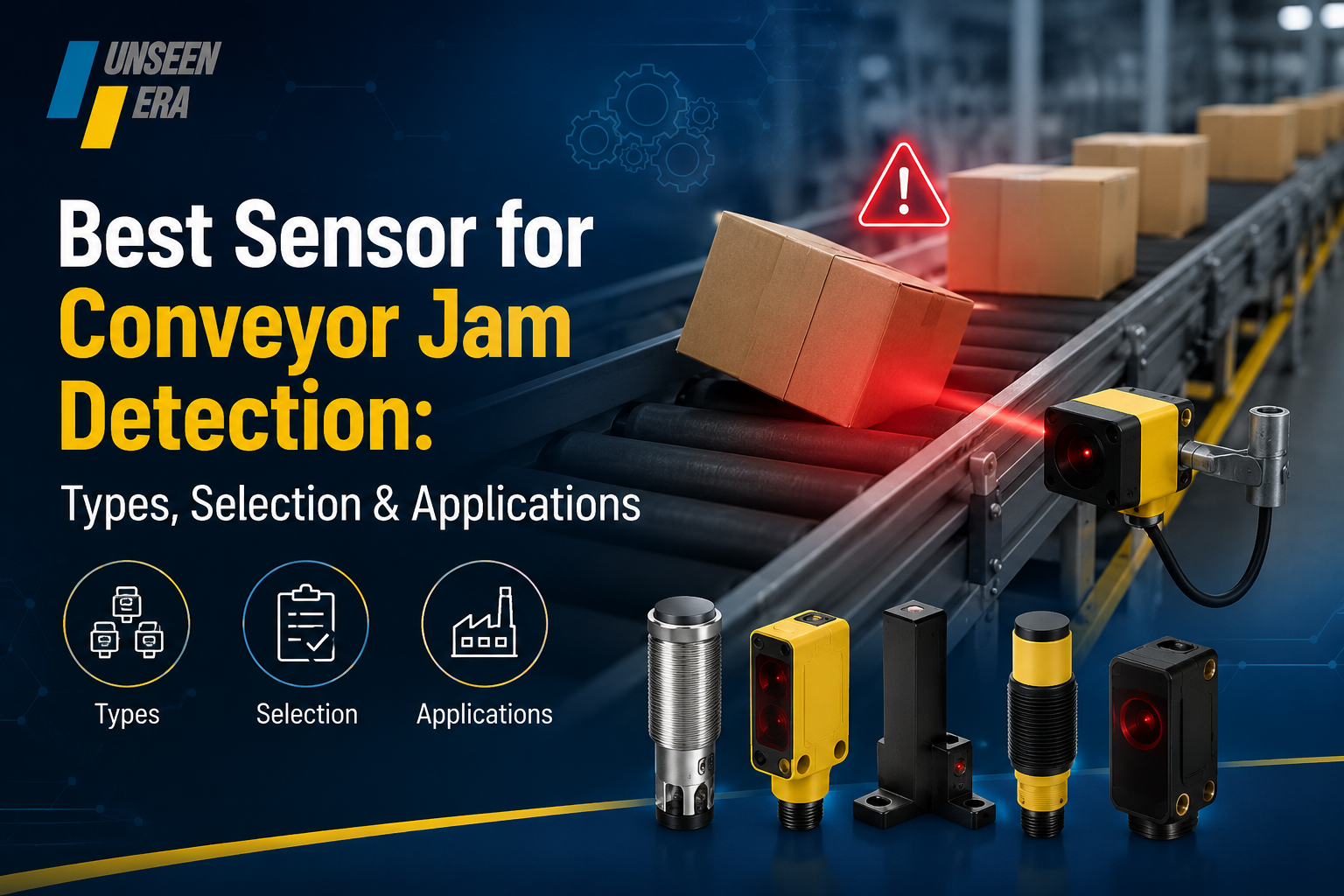
Imagine your conveyor belt system works smoothly, but suddenly one product gets stuck; within minutes, this blockage can stop the entire line, causing delays, damaged products and costing you valuable production time. That’s why most of the industry owners choose conveyor jam detection sensors; these sensors detect problems early and help to prevent small blockages from becoming costly shutdowns.
But you are still confused about choosing the right product for your industry? From Photoelectric, ultrasonic, distance, encoder, or vision sensor? The answer mainly depends on the type of jam you need.
What Is A Conveyor Jam Detection Sensor And Why Is It Important?
The conveyor jam detection sensor is used for identifying objects when products stop moving or begin accumulating on a conveyor. This sensor observes product presence, distance, and moving stop material. This helps conveyors throughout the packaging process; if one box sticks nearby the machine and boxes may continue to arrive and create a pile-up:
Without a proper detection system, your industry conveyors may continue running and enhance the possibility of:
- Production damage
- Belt or roller wear damage
- Motor overload
- Productive downtime
- Damaged equipments
- Safety risks
Also, a jam detection sensor provides you with a complete PLC or control system when the sensor identifies an abnormal condition. This system combines with alarms, an automatic conveyor stop system and other programming options.
Which Sensor Is Best For Jam Detection?
In most conventional conveyor belt systems, the photoelectric sensors are the best solutions because they provide the fastest, non-contact detection and are also available in different sensing configurations. These sensors are able to detect every package, box, carton, pallet, and bottle.
Photoelectric sensors are a suitable choice for monitoring & controlling the conveyor belt system and detecting every object that works in a variety of installation situations. A conventional photoelectric sensor detects whether a product is present at a specific sensing point. To determine whether a product has stopped or products are accumulating, the sensor signal can be combined with timing logic, additional sensors, an encoder, or a controller. These sensors do not work even when the products have stopped.
In this critical situation, simple presence detection and motion detection of objects can provide you with a completely better situation.
What Types Of Sensors Are Used For Conveyor Jam Detection?
There are various photoelectric sensors used in conveyor belt systems; it depends on your conveyor and applications.
1. Photoelectric Sensor
These photoelectric sensors use light to detect objects without any physical contact; it is installed beside or above the conveyor to detect products. Photoelectric sensors are available in several configurations, which include:
- Through-beam
- Retro-reflective
- Diffuse
- Background suppression
- Laser photoelectric sensors
These sensors are best for detecting packaging, counting product presence, and simple conveyor jam monitoring.
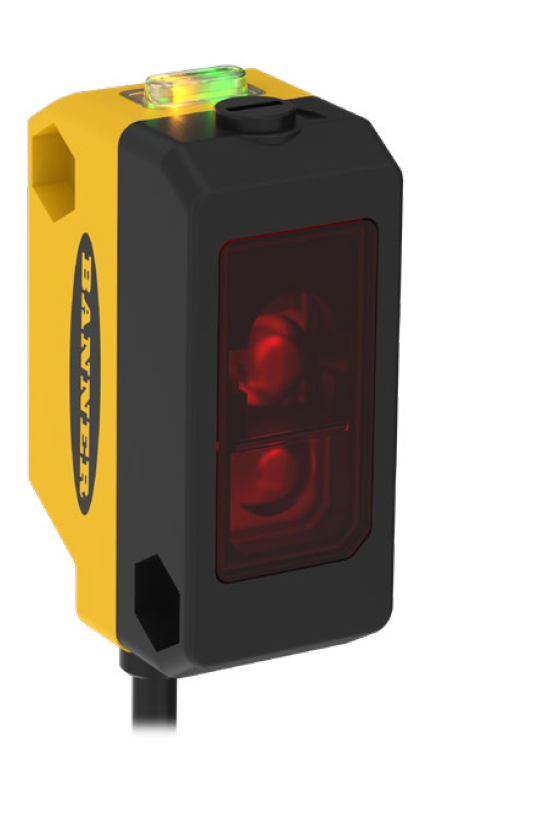
2. Jam Detection Photoelectric Sensor
This jam detection photoelectric sensor is especially made for detecting conveyor jams, not just checking whether a product is present. This not only checks the gap between products, but it also monitors the changes in distance and signal strength. That makes it best for understanding whether products are moving normally or stopped and starting to pile up.
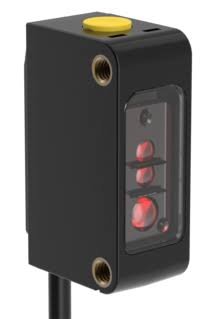
3. Ultrasonic Sensor
Wireless Ultrasonic sensors use ultrasonic waves for detecting or analysing objects. This sensor is useful for targeting difficult conventional optical sensors to detect. It totally depends on the application, and ultrasonic sensors can measure product distance or position changes or not.

4. Laser Distance Sensor
These laser distance sensors are used to provide more detailed information about the position of products or the conveyor. A laser distance sensor simply reports whether the object is detected or not detected; it continuously measures distance, and the control system of the sensor detects how the measurement changes over time. This is best for high-accuracy jam detection and continuous flow workstations.
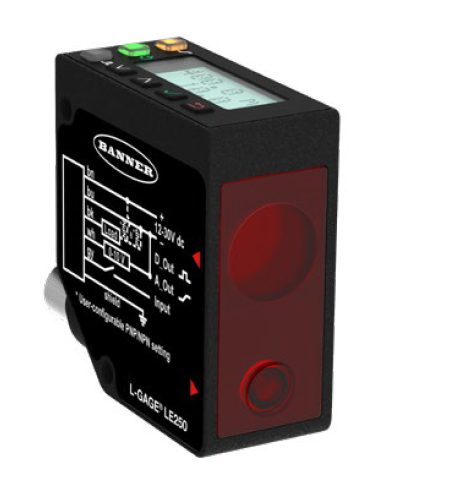
5. Proximity Sensor
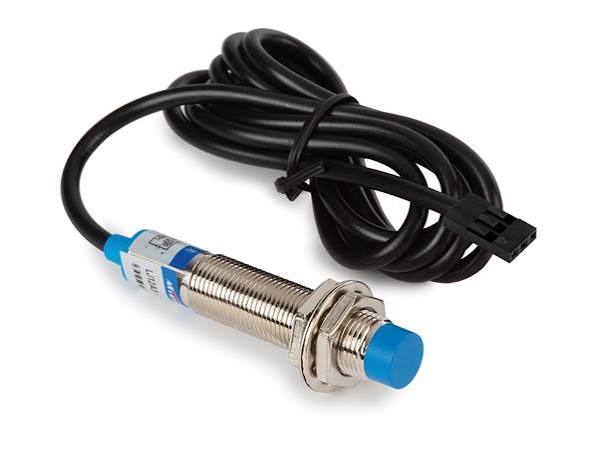
These proximity sensors are useful for conveyor automation because they detect metallic components and monitor mechanical movement. Proximity sensors detect metal objects without making physical contact. This sensor is a perfect solution for Metal parts, mechanical position detection, and specific machine-monitoring applications.
6. Vision Sensor or Camera
This sensor is best for complex applications such as conveyor belt layouts, variable products, quality inspection with jam detection and applications requiring visual analysis. This sensor camera analyses the position, size, or movement of the product to identify unusual conditions.

How Do The Conveyor Jam Detection Sensors Work?
Typically, the conveyor jam detection sensors work with PLC controllers, conveyor drives, and automatic alarm shutdown machines. This sensor mainly monitors the conveyor belt system under normal conditions, such as product passing the sensing points according to an unexpected pattern. This PLC sensor receives signals from them and compares the actual condition of the programmed timing or movement. This PLC program generates a Jam signal, and the response could be:
- Detecting abnormal product movement.
- Send the signal to the PLC.
- Confirm the condition using a timer or additional sensor.
- Trigger a jam alarm.
- Stop the conveyor if required.
- Alert the operator.
- Restart the conveyor after the blockage has been safely cleared.
How Do You Choose The Right Conveyor Jam Detection Sensors?
When you want to choose the right sensor, you need to understand the actual conveyor application, like what you are detecting. Firstly, you need to identify the target, like carton boxes, plastic containers, metal, glass objects, pallets, and bulk materials. Also, the material detection size, colour, shape, and surface finish affect sensor selection.
Ensure:
- What you want to detect
- Material
- Size & surface
- How fast
What Are The Applications Of Conveyor Jam Detection Sensors?
When you want to choose the best conveyor detection sensor for your industry, you need to know this sensor is used in industries like:
- Packaging industry for monitoring carton bottles, pouches, cases, labelling, sealing and packaging equipment.
- These sensors are used in the food and beverage industry for monitoring bottles, cans, cartons, trays, and packaged food products.
- Warehouse and logistics used for package detection, accumulation, sorting, counting, and blockage monitoring.
- Manufacturing industries to monitor and identify components.
- These sensors automatically monitor components like assemblies, pallets, and parts travelling between workstations.
People Also Ask About Best Sensor for Conveyor Jam Detection: Types, Selection & Applications
Q.1 What Are The Common Causes Of Conveyor Belt Jams?
A: The common causes of conveyor belt jams include product misalignment, excessive material weight, oversized or damaged items and mechanical failures that cause downstream equipment stoppages.
Q.2 Does One Sensor Detect Every Type Of Conveyor Jam?
A: no, one sensor does not detect every type of conveyor jam reliably. The best conveyor sensor system depends on product material, size, shape, and the conveyor speed and operating environment. Some of the applications require a combination of photoelectric sensors, ultrasonic or inductive sensors.
Q.3 Which Sensor Is Commonly Used For Conveyor Jam Detection?
A: Photoelectric sensors are used for jam detection because they can perfectly detect product presence and accumulation. When you want to choose a more complex application, you can go with laser, ultrasonic or inductive sensors that may be suitable.
Q.4 Where Should a Photoelectric Sensor Be Installed?
A: Photoelectric sensors should generally be used at potential jam points, such as transfer areas, accumulation zones, or conveyor discharge points; they can reliably detect product buildup.
Q.5 What Is The Main Advantage Of A Laser Distance Sensor?
A: The main advantage of laser distance sensors is to measure distance accurately without physical contact, which makes them suitable for detecting product buildup and conveyor jams.





 Call
Call Whatsapp
 Contact Us