

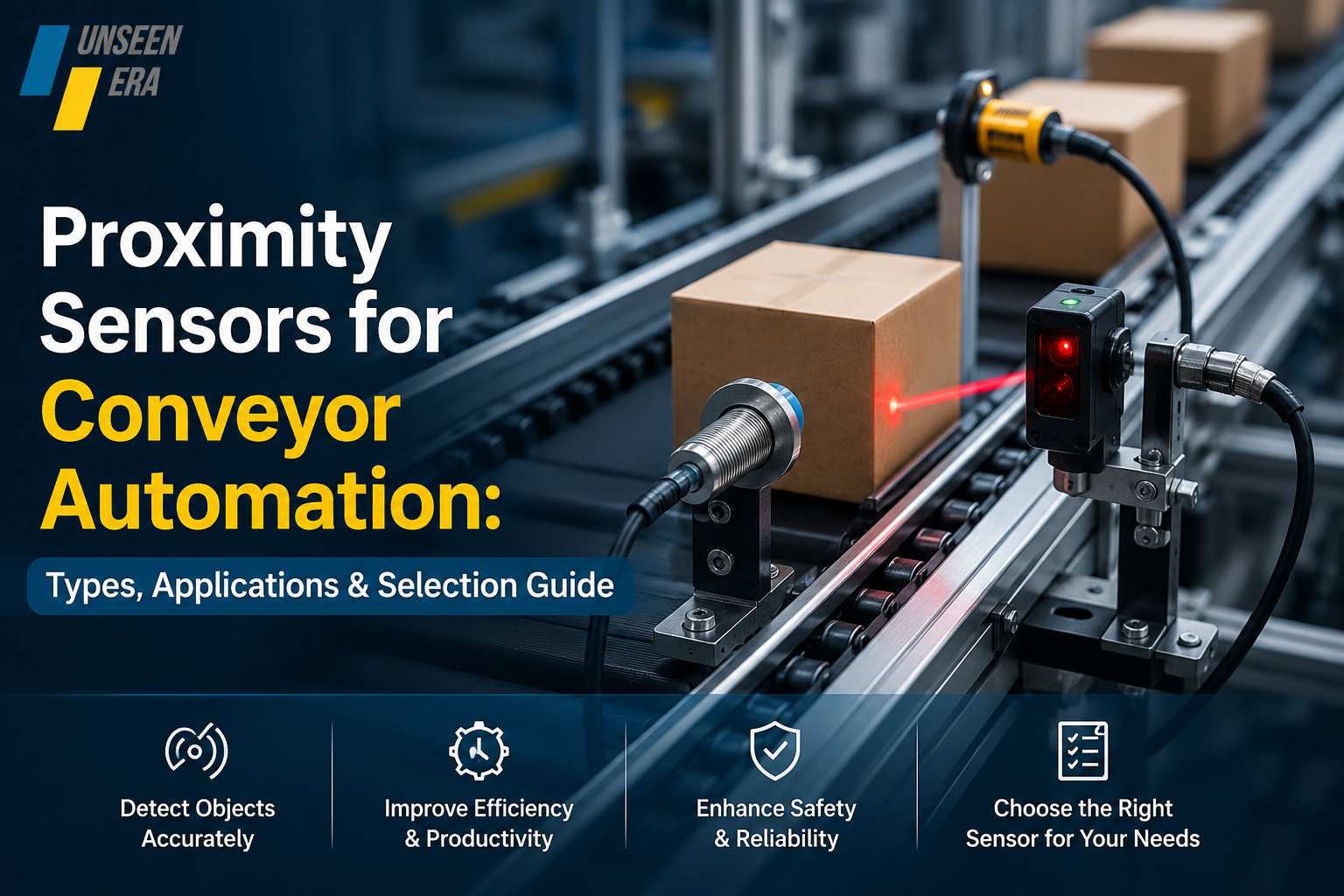
Are you looking for a smart industrial sensor that works well with your conveyor automation? You already know how critical accurate object detection is. Many industrial businesses struggle to choose the right proximity sensor because of the wide range of options available. Because various options are available in the market, which creates technical confusion around them. But you don’t need to take stress; with Unseen Era, we provide you with accurate information about proximity sensors for conveyor automation: types, applications & a selection guide.
In this detailed guide, we will provide everything about proximity sensors for conveyor automation. Stay tuned with us to make your industrial operations smarter and smoother.
What Is A Proximity Sensor?
The proximity sensor is a smart device that detects the absence or presence of an object without making any physical contact. It uses electromagnetic fields, light, or sound waves when something is nearby. This is why the proximity sensor is highly reliable, fast, and ideal for automated systems where contact-based detection is impractical.
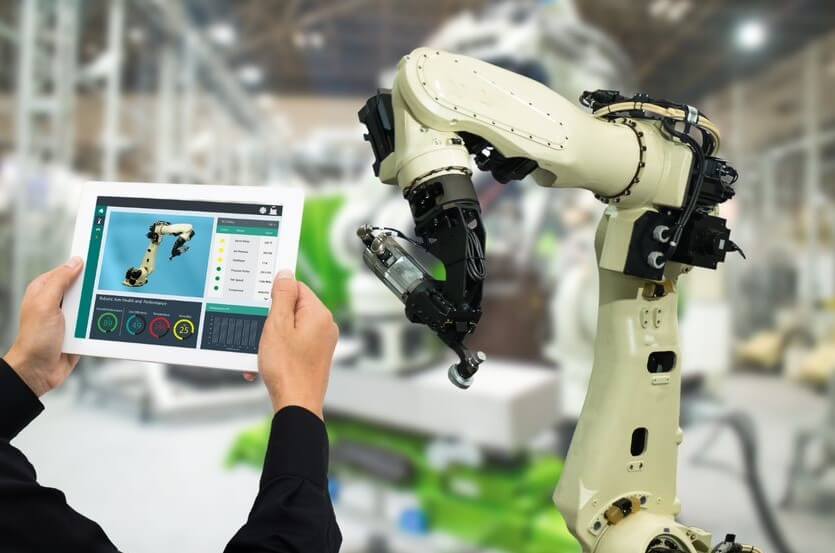
Proximity sensors especially play a key role in conveyor belts for ensuring smooth and efficient operations. These smart sensors detect moving products on the belt, count items accurately, and identify the position of objects for precise handling. Smart sensors easily trigger automated actions such as sorting, labelling, or packaging.
Proximity sensors are widely used in industries like manufacturing, logistics, food processing, and packaging to improve productivity. They are widely used because of their high speed and accuracy.. Here are some key uses in conveyors: automation:
- Detects products on the conveyor belt system
- Counts every product with high accuracy
- Ensures precise object positioning
- It triggers the sorting and packaging process
- Improves automation efficiency and reduces human efforts
Why Are Proximity Sensors Important In A Conveyor System?
When you run your conveyor belt system without a proximity sensor, your conveyor system can face several issues, such as:
- Incorrect product positioning
- Machine jams or collisions
- Inaccurate counting
- Reduced efficiency
Choosing the right proximity sensors, it helps your industry:
- Reliable detection
- Improved production speed
- Reduced manual intervention
- Better accuracy and control
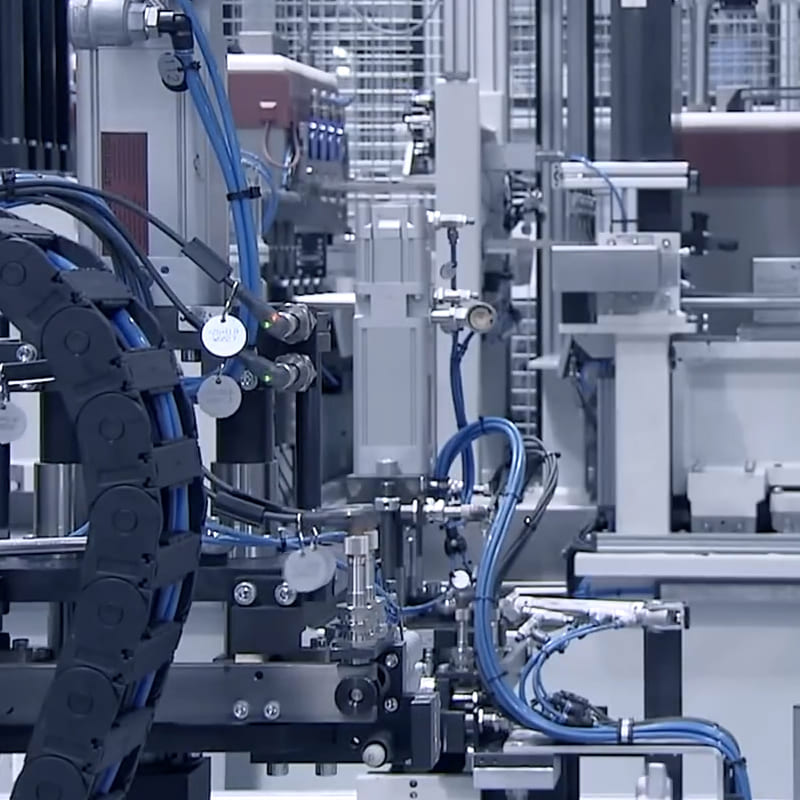
What Are The Types Of Sensors Used In Conveyor Automation?
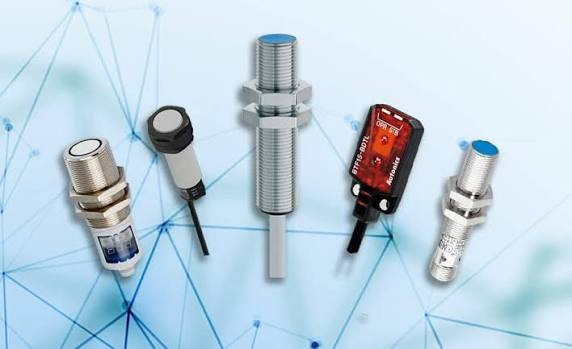
If you want to choose the best proximity sensors for your industry, you need to deeply understand what types of proximity sensors are available in the market in a simple way:
- Inductive Proximity Sensors
These proximity sensors are especially designed to detect only metal objects, and it is best for metal parts detection in automotive and heavy industries. Here are some advantages of inductive proximity sensors:
- Highly reliable
- Resistant to dust and oil
- Long lifespan
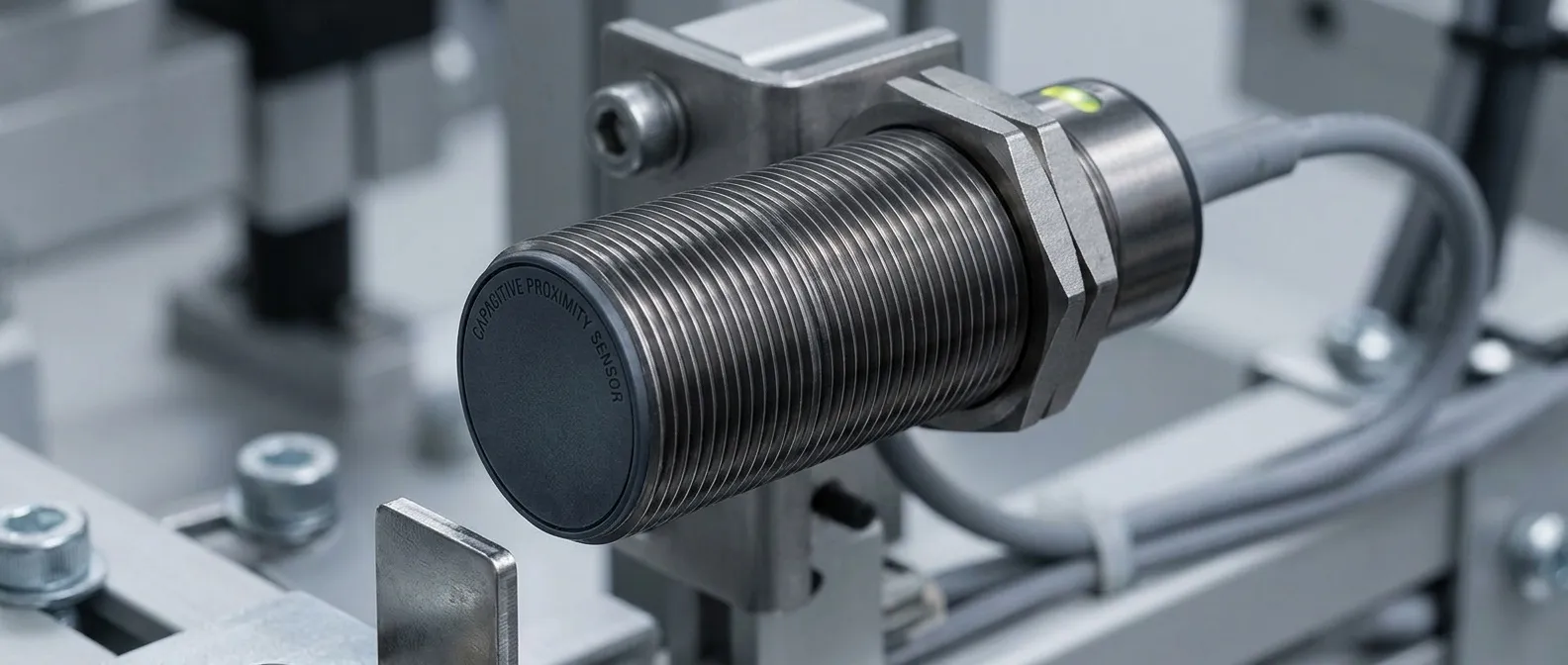
- Capacitive Proximity Sensors
All these sensors can detect both metal and non-metal objects, such as plastic, glass or liquids. This is why this sensor is a perfect solution for manufacturing, food, and beverage facilities. This sensor offers several advantages, such as Versatile detection and sensing through thin materials.
- Photoelectric Sensors
These sensors use light waves to detect objects, and types included in this:
- Through-beam
- Retro reflective
- Diffuse
Photoelectric sensors are best for long-distance detection, high-speed conveyor belts, and detecting almost any material.
- Ultrasonic Sensors
This ultrasonic sensor uses sound waves to detect the distance of objects, and it is best for Transparent or shiny objects and irregular surfaces. It is not affected by colour or transparency, and works in dusty environments.
- Magnetic Sensors
These magnetic detection sensors come with magnetic properties and are best for cylinder position detection and specific industrial applications.
What Are The Common Applications Of Proximity Sensors In Conveyor Automation Systems?
Proximity sensors are used to support effective industrial operations and help them to run smoothly without the need for physical contact. These smart sensors make it easy to count every item on the conveyor belt based on specific conditions. At the same time, they keep all products properly aligned, which is an important task for packaging and labelling.
- Recognise products during movement.
- Count and classify items mechanically.
- Provide correct alignment and positioning.
- Help to prevent accidents and excessive overload of the system
- Increase performance with safety sensors
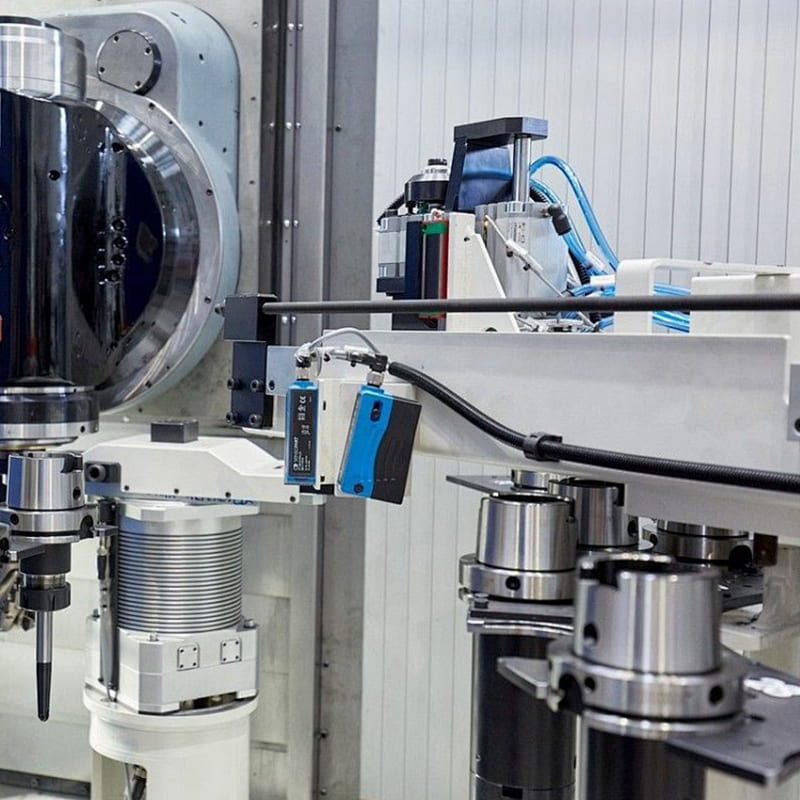
What Are The Key Factors You Need To Consider Before Choosing A Proximity Sensor?
When you want to choose the best proximity sensor for your industry, choosing the right sensor totally depends on your industrial applications:
| Factor | Key Consideration |
| Material Type | Metal → Inductive; Non-metal → Capacitive/Photoelectric |
| Sensing Distance | Short range → Inductive; Long range → Photoelectric |
| Conveyor Speed | Fast response and high switching frequency |
| Environment | Choose a suitable IP rating for dust, moisture, and temperature |
| Mounting Space | Ensure proper fit and easy installation |
| Accuracy | Use high-precision sensors for critical applications |
What Are The Common Mistakes You Can Avoid?
When you choose proximity sensors for your industry, you need to avoid these common errors while selecting the proximity sensors:
- Purchasing the least-priced option without thinking about efficiency
- Disregarding environmental factors
- Applying the incorrect sensor type to detect materials
- Not thinking about impending scalability.
How Does Choosing The Right Automation Partner Help You?
When you have the right knowledge, selecting the right industrial automation partner can make a difference and be challenging. Choosing a professional industrial automation solution provider can help you:
- Effectively analyse conveyor belt & requirements
- Perfectly choose the right sensor for your industry requirements
- Integrate sensors with PLC control systems
- Provide maintenance and long-term support
Final Thoughts:
Choosing the right proximity sensor is essential for making your industrial process smooth. We provide you with details on every type of proximity sensor and how to choose the right automation partner.
People Also Ask About Proximity Sensors for Conveyor Automation: Types, Applications & Selection Guide
Q.1 Do these proximity sensors detect moving conveyor belts?
A: Yes, these proximity sensors can easily detect moving conveyor belts or objects, which mainly depends on the sensor types and installations. They are commonly used to monitor, track production and trigger automated actions.
Q.2 How accurate is the data processing of proximity sensors?
A: These proximity sensors easily provide you with accurate and real-time data from object detection and positioning when they are properly selected, installed and calibrated for the application.
Q.3 Do proximity sensors help with product counting?
A: Yes, proximity sensors help your industry by analysing conveyor belts passing items, which makes them ideal for automated product counting, inventory tracking and production monitoring.
Q.4 What factors affect the proximity sensor performance?
A: The proximity sensors are affected by various factors such as detection distance, target material, object size, mount positioning, temperature, dust, vibration and electromagnetic interference.
Q.5 How do proximity sensors improve workplace safety?
A: Proximity sensors easily improve workplace safety because it detects objects and every movement of equipment, which helps to prevent collisions, reduce accidents, and enable automatic machine shutdown when needed.
Q.6 Do proximity sensors come with an IP67 rating?
A: Yes, there are many proximity sensors available with IP67 Ratings; they provide you with protection against dust, rain, and harsh industrial environments for safe industrial usage.





 Call
Call Whatsapp
 Contact Us