

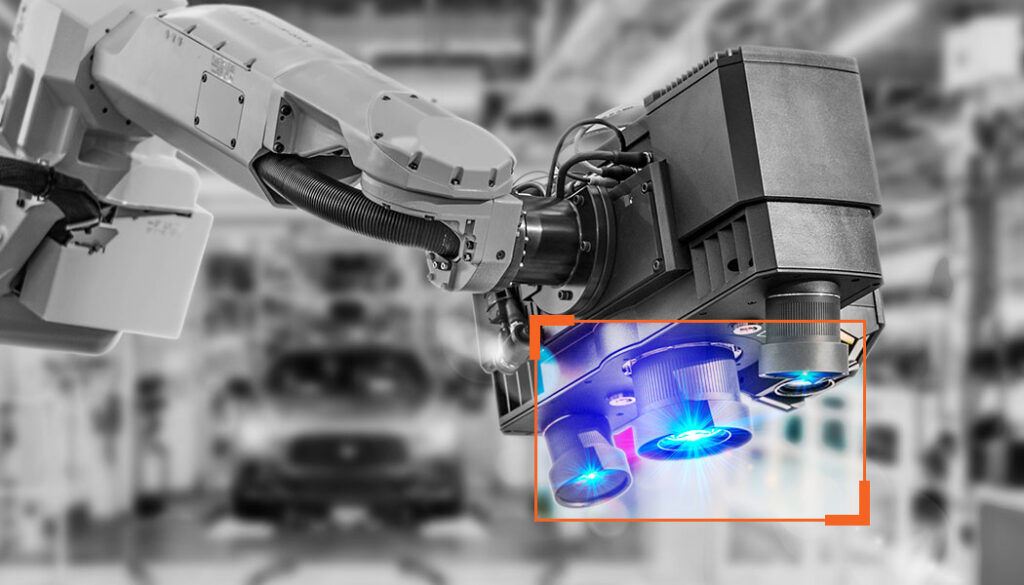
The industrial robotic or vision system integration means the smart machinery makes a quick decision in real time. Because this integration performs motions robot equipped with camera lenses sensors or AI AI-driven vision system, it easily reduces errors automatically. This perfect blend easily transforms traditional industries into smart production lines and factories that run faster, handle every complex task, and deliver consistent results.
This is a perfect solution for the automotive, electronics, packaging, and pharmaceutical industries. I want to understand this robotics integration with the vision system, so you are in the right place. In this blog, we will discuss Robotics Integration with Vision Systems: End-to-End Automation that easily reduces human errors, boosts efficiency, and smooth operations around the clock.
Demand For Robotics And Vision Systems
As per the studies of IMARC Group indian robotics market size reached 6.50 Thousand Units in 2024, and it is estimated to grow to 26.70 Thousand Units by 2033. Growing CAGR 16.70% during 2025-2033.
What Is Robotic Integration With An Industrial Vision System?
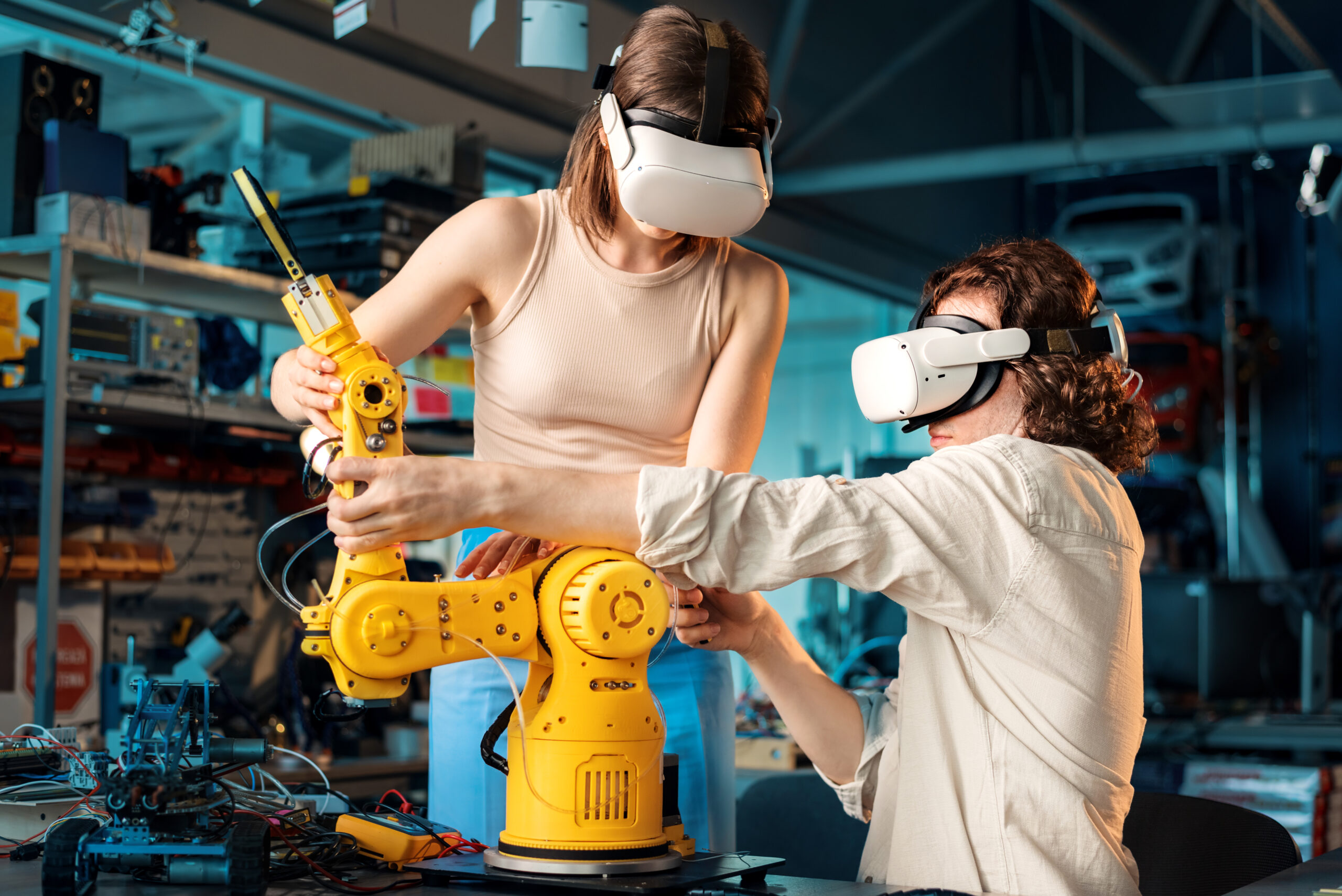
The robotic industrial integration system works by combining robotic arms, industrial robots, a machine vision system, and AI-based linear technology that easily helps robots to see objects or act in real-time. This integration means combining robots with advanced machine vision systems. Robots use real-time visual data to identify and measure the products and which results in faster production, proper utilisation of resources.
It is most helpful for transforming robotics arms into mechanical tools or intelligent machines. It helps detect objects, make decisions, adjust movements, and easily maintain accuracy in complex environments. This is called the smart foundation of smart factories, Industry 4.0 and the next-gen automation.
Why Machine Vision Matters In Modern Robotics?
Without a machine vision system, the robots depend on humans, fixed locations, and next-gen automation. But now the machine vision system is the heart of advanced robotics because of various industrial sensors vision systems available in the market, such as 2D & 3D vision cameras, LiDAR, depth sensors, and AI algorithms that run with machine learning tools. These models all easily help to inspect product quantity, quality, defects and measure dimensions.
Major Key Benefits Of Vision In Modern Robotics:
- Accurately object detection and positioning
- Real-time monitoring & inspection detection
- Better navigation with collision avoidance.
- Flexibility with dynamic production environments
- Reduce human errors.
How Robotics Vision Systems Work With End-to-End Automation?
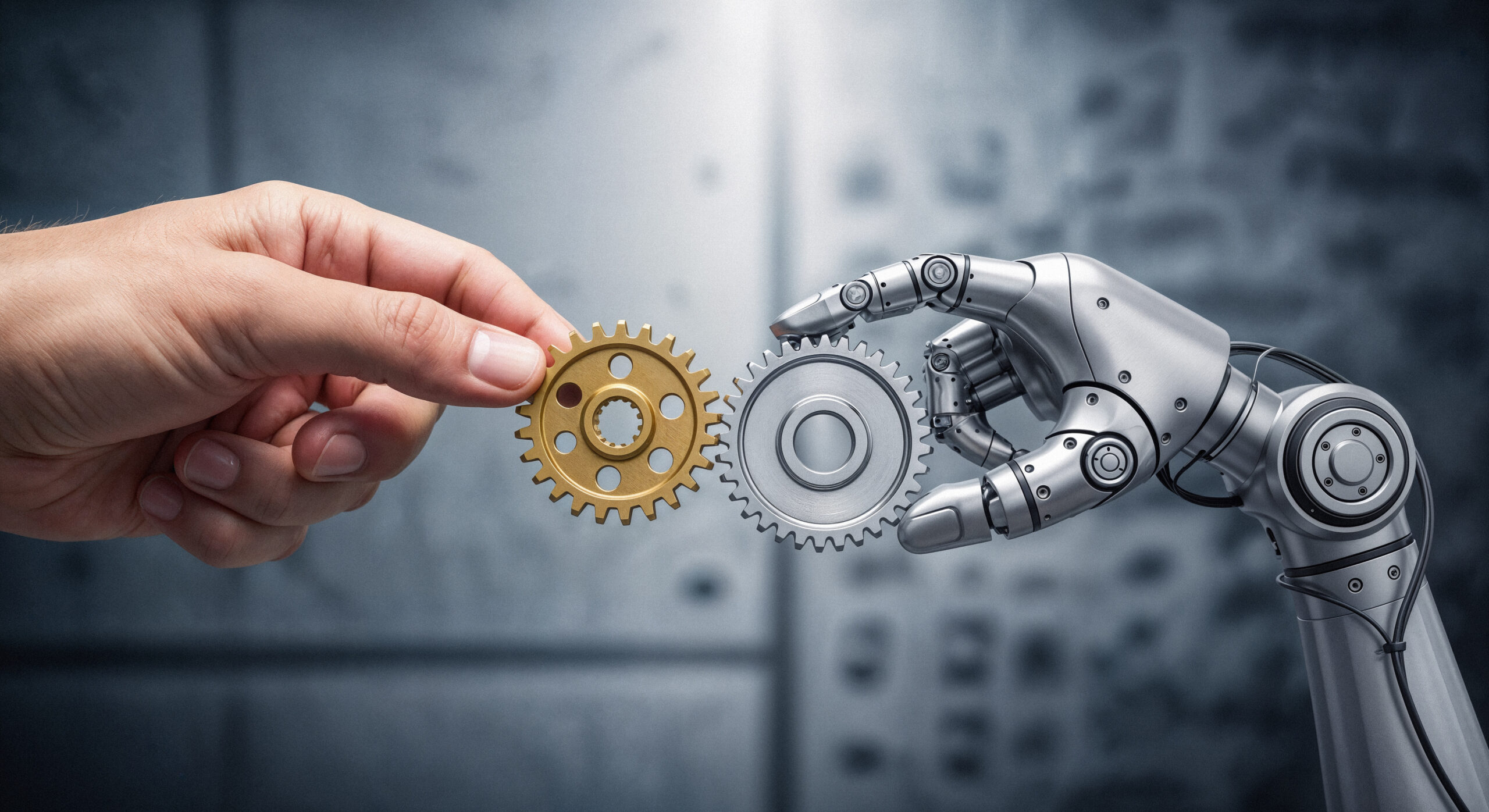
End-to-end systems work to combine with vision and robotics systems, or this AI-based software easily creates a continuous workflow in your industry and makes all operations human error-free. Because these robots easily collect information through AI-based sensors and methane vision systems analyse or detect errors based on the shape or colours. In the end, this software makes the entire production faster, safer, and more accurate.
Major process:
- Robots easily gather information with the help of cameras, 3D Scanners, barcode scanners & readers, sensors, and conveyor belt systems.
- The second process is a system to understand the data with AI software, patterns, images, or with machine learning models.
- Third is the action stage robotics performs tasks with pick, place, quality checking, assembling, or PLC robot controllers.
- The last and final process is the output stage, where the system records everything with SCADA systems, MES platforms, Cloud dashboards, Data for reports and optimisation.
What Are The Benefits Of a Robotics + Vision System?
| Benefit | Description |
| Higher Accuracy & Zero Human Error | Vision & robotics guide easily detects all defects, to improve precision and reliability in quality control. |
| Enhance production | Industrial automation reduces operating time, and enables the operation of 24/7 production without downtime. |
| Cost effective | Fewer errors, reduce wastage, and boost overall production with cost-effectiveness, or enhance ROI. |
| High flexibility | AI-based machine systems easily adapt to new product variants or processes without major reprogramming. |
| Increase safety | Industrial robotics reduces the hazardous tasks, and robots perform the precise movement. |
Which Industries Are Robotics Or Vision Systems For End To End Automation?
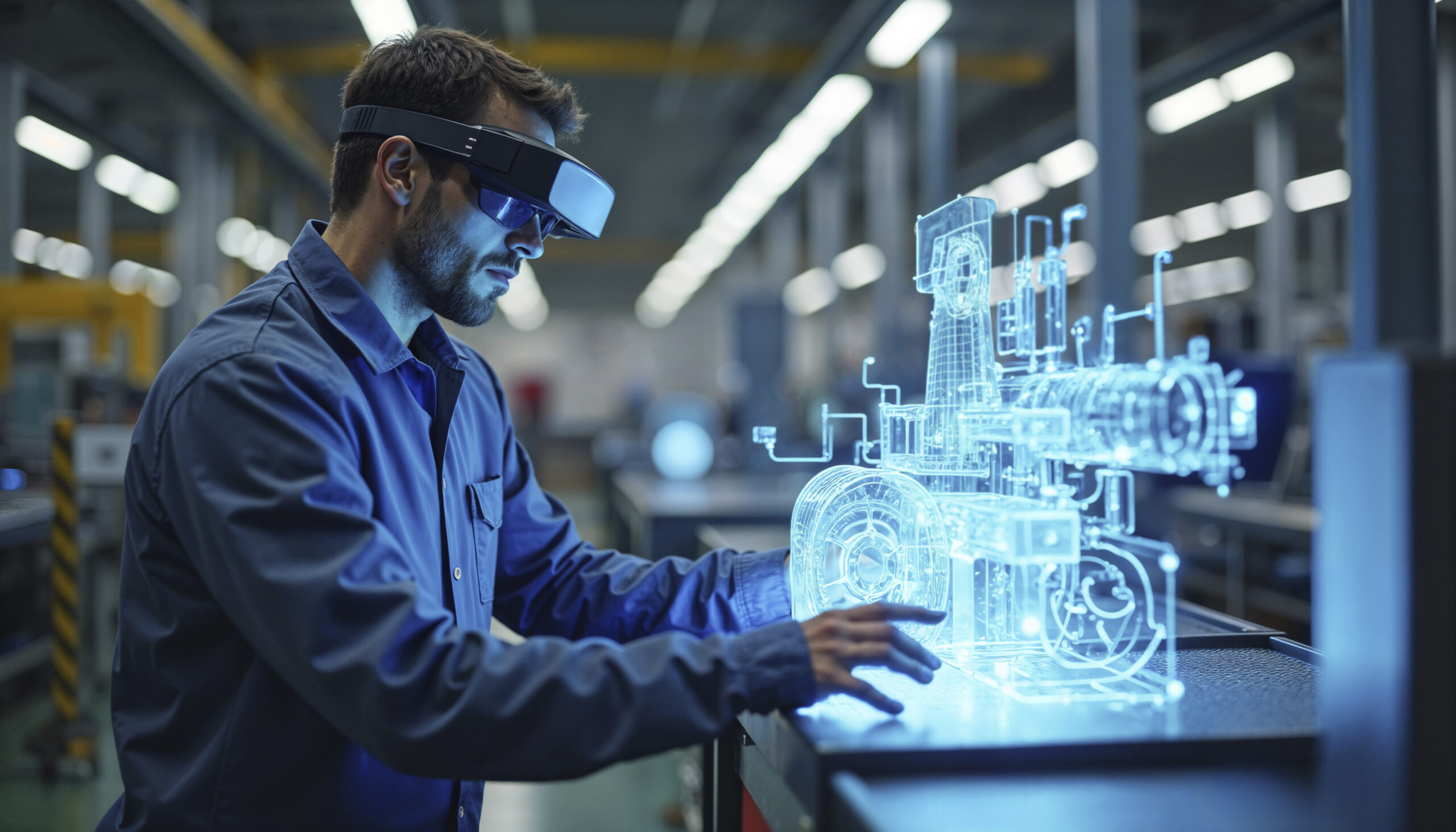
The industrial automation system is a combination of robotics and a smart vision system. Industrial automation systems enhance the speed, accuracy, and overall productivity for reducing human errors.
Industries use these smart systems:
- Automotive industry
- Manufacturing industry
- Food & packaging industry
- Logistics & pharma industry
- Plastic industry E-commerce distribution
Why Choose The Unseen Era For Robotics Integration With Vision System End-To-End Automation?
The Unseen era stands out as a trusted partner in industrial automation and modern high-tech technology. Because it offers you high precision vision quality with end-to-end smart solutions. Their products are all designed to deliver in your industry accuracy, speed and productivity with reduced errors and downtime.
Some Frequently Asked Questions About Robotics Integration with Vision Systems: End-to-End Automation
Q.1 Why do robotics and vision systems combine?
A: The industrial robotics system is combined with AI-based algorithms, which is why robots make decisions and perform every industrial task accurately. Speed or flexibility.
Q.2 Does this system work with 2D cameras?
A: Absolutely, this system easily works with 2D, 3D cameras.
Q.3 Is this system easy to install?
A: Yes, this is easy to install but requires proper setup support.
Q.4 Does this vision or robotics system work 24/7?
A: With proper care and maintenance, it runs 24/7 industrial operations.



 Call
Call Whatsapp
 Contact Us