


The industrial manufacturing and production units are transforming, driven by a data analytics cloud computing system. Various organisations effectively adapt cloud analytics for achieving unprecedented levels of quality, productivity, and measure every operation accurately. Most of the companies implement data-driven insights or achieve higher production levels, and enhance productivity with industrial sensors.
If you are looking for a solution to enhance productivity with cost-effectiveness in your industry, you are in the right place. In this blog, we will discuss the powerful operations with cloud analytics for Production Management: Scaling Insights. Stay tuned.
Demand For Data Analytics In Production Management
As per the recent studies of Fortune Business Insights, the global data cloud analytics market size is valued at USD 64.99 billion in 2024, and it is estimated to reach USD 82.23 billion in 2025.
What Is Cloud Analytics In Production Management?
The cloud-based analytics system refreshes that using cloud platforms to collect machine analytics, store, and perform data-driven production in real time. It easily collects machinery production data in real time. Cloud analytics keeps you:
- Access data anywhere
- Scale storage and processing power as needed.
- Integrated with various machinery or industries.
This cloud-based system is most beneficial for the production manager because it provides you with real-time data and helps you to make quick decisions without any delays or manual reporting.
Why Does Cloud Analytics Matter In Production Management Facilities?
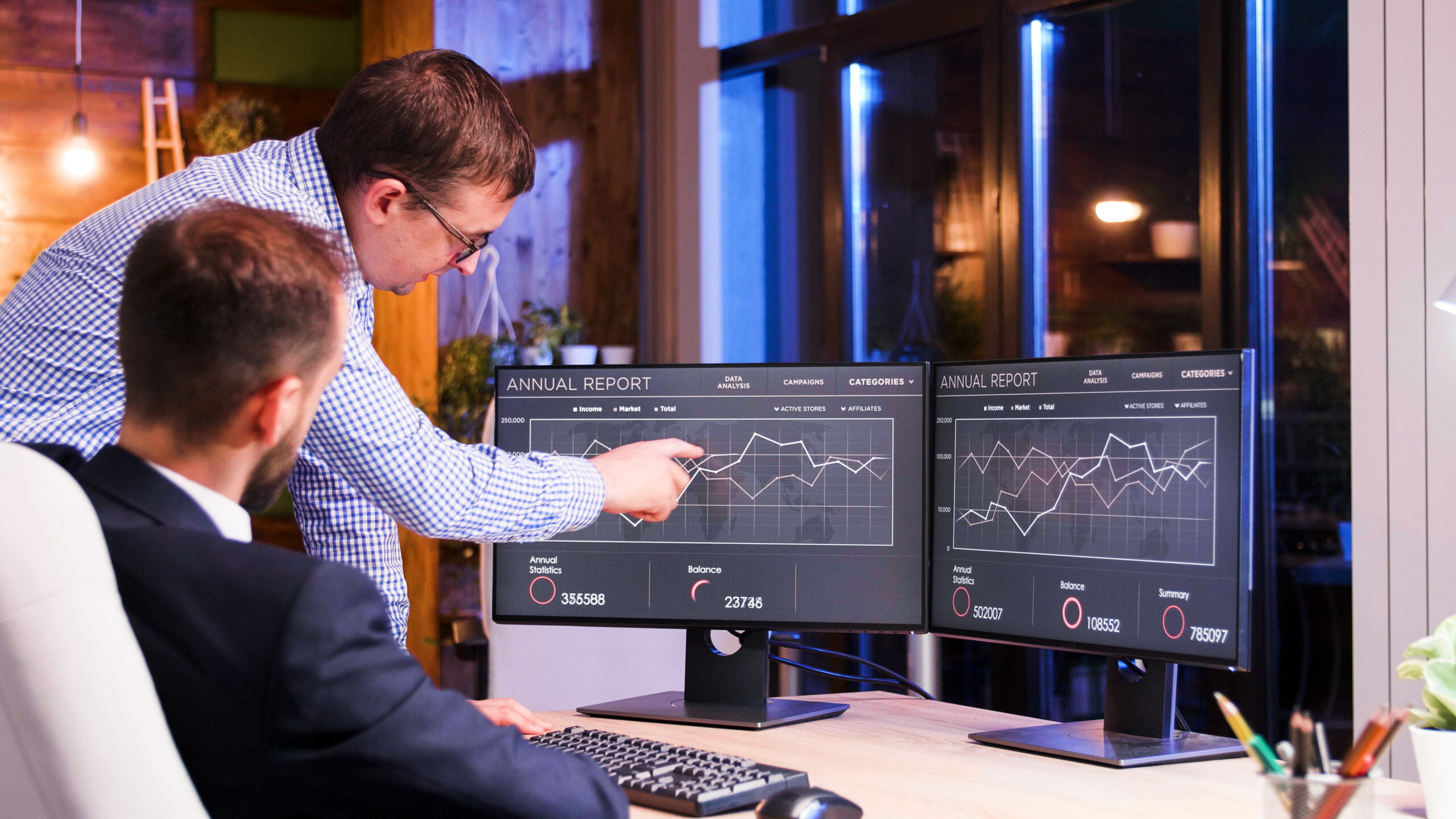
Cloud data analytics helps various companies to achieve their higher production or output goals. Because cloud-based systems easily analyze the real-time data to make smarter decisions or help to detect machinery lags. It easily monitors machinery performance, workers and identifies potential bottlenecks. This cloud analytics allows smart sensors to do predictive maintenance system and helps to reduce machinery downtime.
Basically, cloud analytics easily helps with manufacturing setup audits and gives you past and present data. This is integrated with smart sensors to allow you to enhance productivity and fast-paced manufacturing landscapes.
- Real-time monitoring data
- Predictive maintenance
- Quality control
- resource optimization
- Scalable insights with heavy IT investments.
How Can Cloud Analytics Easily Transform Production Management?
The cloud database completely changes the manufacturing or production in the industry because it easily handles all the operations without delaying manual reports. It instantly manages the machine performance or tracks the exact output in the industry.
- Predictive maintenance: in the automotive industry, the cloud-based sensors easily analyse the automotive machinery data and predict when the machinery is likely to fail and cause an accident. And that results in reduced downtime, maintenance cost, and extends machinery life.
- Quality control: in every manufacturing unit, quality control is essential. The defective products not only enhance the cost of operations, but they also affect the brand reputation. Cloud monitoring system analyzes data in real time and helps sensors detect every minor defect.
- Energy optimization: With cloud-based solutions, the factories easily monitor the energy consumption, identify inefficient processes, or optimize energy usage without affecting production.
- Supply chain insights: a cloud-based system easily connects with the supply chain management system to minimize delay in inventory costs.
- Maximum productivity: easily analyze the operational costs, the workflows of the process or ensure to increase the production.
What Are The Benefits Of Integrating With A Cloud-Based Data Analytics System?

Integrating your manufacturing facility with a cloud-based data system brings various advantages across multiple plans and support issues before escalation. The cloud-based helps to make faster decisions, past manufacturing or production analysis, or helps your team to optimize the production process or improve efficiency.
- Easily enhance visibility with real-time data analytics across the production lines
- Faster decisions with smart operational choices.
- Reduce cost and minimize wastage.
- Provide filtered data for accounts audits
- Easy to manage without additional changes
What Are The Practical Usages Of Cloud Analytics For Production?
| Industry | Cloud Helps |
| Automotive | Assembly Line Monitoring, Predictive Maintenance, And Defect Detection. Material Parts Tracking |
| Food & Beverage | Temperature Or Humidity, Digital Record, Waste Reduction, Batch Tracking |
| Electronic Manufacturing | Shortage Prediction, Assembler Defect Detection, And High-Value Product Tracking |
| Pharmaceuticals | Environmental Monitoring, Batch Validation, Digital Records. Shelf-life stability Tracking |
| Packing | Line Speed, Material Analysis, Downtime Tracking, Real-Time Quality Checks |
| Metals & Heavy Engineering | Demand Forecasting, multi-plant Performance, Quality, Or Freshness Tracking. |
Why Choose The Unseen Era For Cloud Analytics Production Management?
When it comes to industrial automation sensors and a practical approach for modern challenges. The Unseen era stands out as a trusted partner for gaining visibility for every industrial smooth operation. Their expertise in machinery, sensors, and working production lines for faster & more accurate. Choose an unseen era for reliable operations, efficiency, and working with an advanced system.
FAQ’s About Cloud Analytics for Production Management: Scaling Insights
Q.1 How much time is required to implement in the manufacturing plant of this cloud analytics system?
A: The implementation of the cloud-based system takes 2 to 5 weeks, but it depends on the plant size and condition, and integrations.
Q.2 How does it reduce raw material wastage?
A: It easily reduces raw material wastage by targeting early and optimizing usage in real time.
Q.3 Does this system provide previous or current profit stats?
A: Absolutely, it easily provides you with past and present time profits throughout the analytics dashboards.







 Call
Call Whatsapp
 Contact Us