

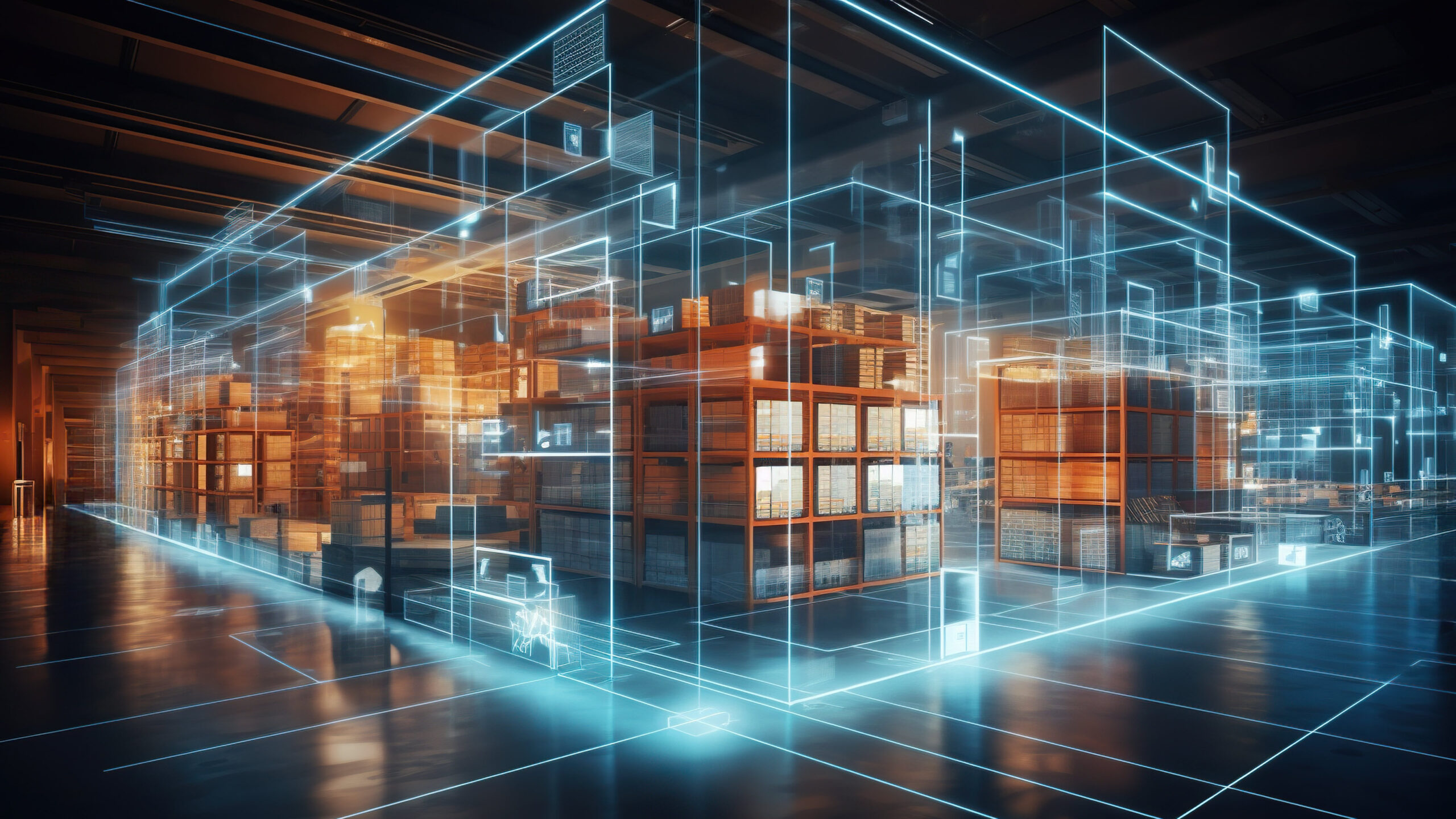
In today’s rapidly growing world, with advanced high-tech technologies like IoT sensors, automation, real-time analysis, and smart devices. Warehouse digitalisation is with new technology. When we talk about traditional techniques, such as relying on paper checklists, manual updates can interrupt the consistent flow of information inside your warehouse. That’s why large and small warehouses continuously adapt to warehouse digitalization technology for operating at the speed and precision of global standards.
In this article, we will explore how digitalization works in a warehouse and why the technology shift of manual operations to IoT enables the system.
Demand For IoT Sensors In Warehouses.
According to Future Business Insights, the warehouse management market is valued at USD 15.56 billion in 2025, and it is expected to grow to USD 34.68 billion by 2032. And a growing CAGR of 12.1% from 2025 to 2032.
How Traditional Warehouse System Slow Down The Operating Process?
Almost 70 to 80% of people use warehouse digitalisation: from manual to IoT-enabled operations. Because of the manual warehouse system. Without the industrial automation technology, the industry relies on manual checkups and continuous delays of picking, packing, and replenishment tasks. Traditional warehouse systems lead to frequent mismatches, slow down the process, and affect order fulfillment.
Manual Warehouse System Leads:
- Picking, packing, and delivery delay
- High human errors and inspection take a long time
- Poor visibility across inbound or outbound movement
- Enhance operational costs
As customer expectations rise, the manual warehouse system delivery window shrinks or becomes a bottleneck.
What Are The Key Technologies Working In Warehouse Operations?
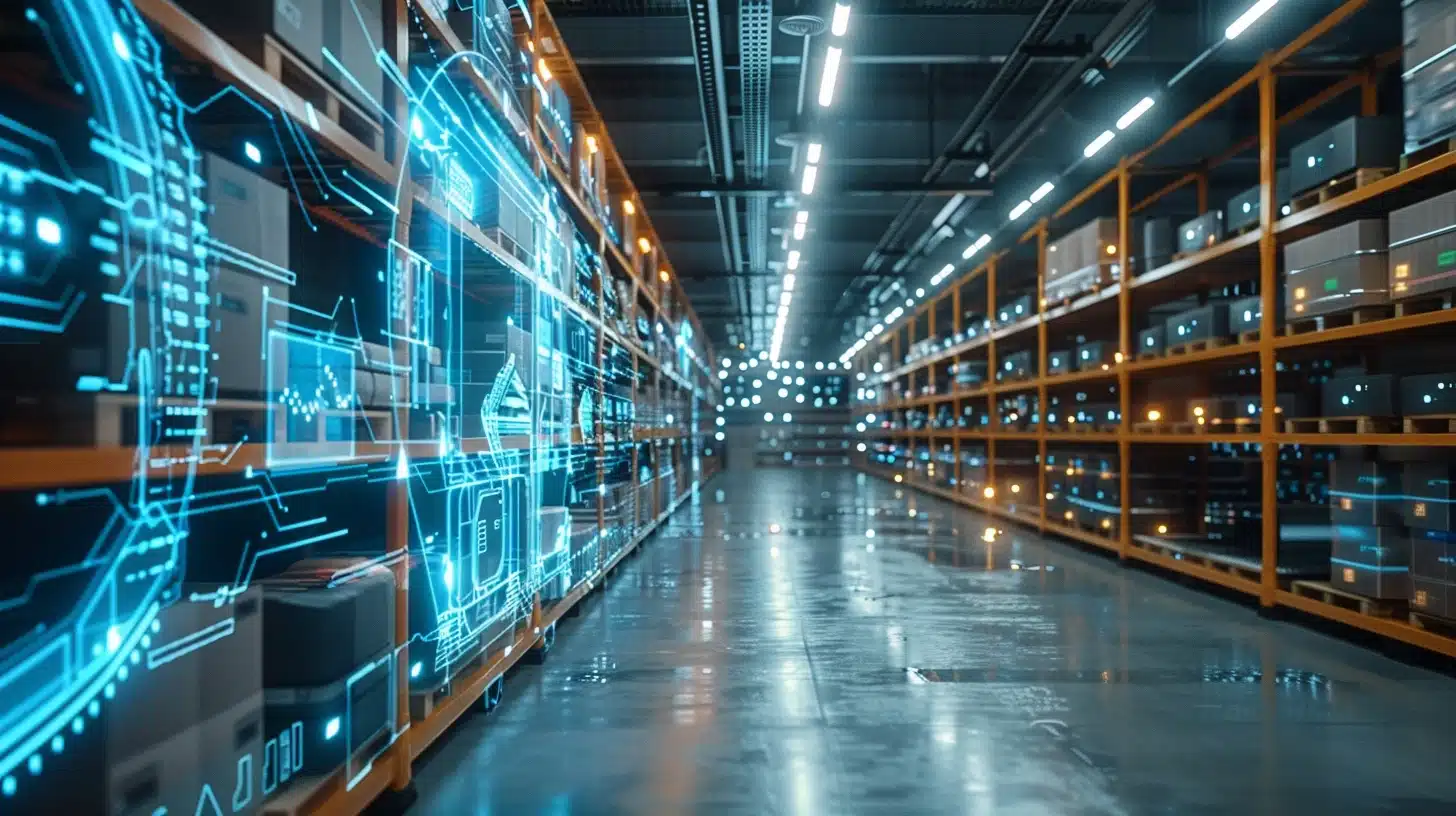
Advanced warehouse operations run with high-tech IoT sensor technology that streamlines speed, accuracy, and efficiency, and various tools, like a warehouse management system, automate inventory management, or track order fulfillment. This technology ensures the real-time visibility of every item. These sensors combine with autonomous mobile robots that pick and sort material flow. Because IoT sensors monitor asset movement, temperature, equipment health, or reduce time.
- Advanced IoT sensors
- Warehouse management system
- RFID technology
- Smart machine Predictive maintenance system
- Digital twins
What Are The Benefits Of Choosing Smart Warehouse Digitalisation From Manual To IoT-enabled operations?
Shifting from traditional manual checkups and paper lists to IoT smart sensors. It easily enables boosting productivity efficiency with real-time inventory visibility. This advanced technology helps to enhance fast order accuracy, reduce human errors, streamline tracking, and automate workflows. Digital transformation cuts down the various operational costs and helps to enhance smooth and overall productivity with proper customer satisfaction.
| Benefit | Manual Warehouse | IoT-Enabled Warehouse | Impact and Operations |
| Inventory Accuracy | Reduce human errors and delays | Track real-time data with IoT automation sensors | High accuracy, reduces stock mismatches |
| Order Speed | High time consumption of picking and packing orders | Smart working with automated IoT sensors in warehouses | Enhance customer trust, fast delivery, and improve efficiency |
| Operational Visibility | Time consumption for visibility or error-related costs | Live dashboards system with IoT sensors | Future forecast with proactive decision-making |
| Cost Efficiency | Needs high labor and higher operational costs | Reduce manual work or operational insights | Lower operating costs or better resource utilization |
| Scalability & Growth | Difficult to measure demand | Scalable thoughts with a connected system | Support large volumes of customer satisfaction |
What Are The Core Components Of a Smart Warehouse System?
The warehouse digitalisation system works with smart IoT-based sensors by easily eliminating errors, boosting accuracy, or improving visibility. Powerful advanced warehouse system working with industrial sensors to track the asset and every environmental condition. They also integrate with an RFID barcode system that ensures the precision of item identification checks in out of warehouses.
A digital warehouse system typically includes:
- IoT devices & trackers
- Cloud-based platforms
- Real-time tracking with dashboards
- Inventory optimization
All of these tools and components help you to transform operations from reactive to predictive.

How IoT Sensors Enhance Supply Chain & Visibility?
The industrial IoT smart sensors enable a warehouse for proper inventory control and management of tracking records, or reducing stockouts, shrinkages, and delays.
- Product tracking in real time
- Automated alerts
- Predictive maintenance
- Analyse or control temperature to prevent food & preservative items.
- End-to-end visibility
Why Choose The Unseen Era For Warehouse Digitalisation?
Experience the higher quality standards with an advanced IoT management system and a digital warehouse system from the Unseen Era. Because we stand out as the most trusted partner for your every smooth industrial operation, whether it’s warehouses, factories, steel plants, or any kind of commercial space.
Major products we deliver:
- Industrial sensors
- Safety products
- Tower lights
- Work & inspection lights
People Also Ask About Warehouse Digitalization: From Manual To IoT-Enabled Operations.
Q.1 How does the warehouse digitalization system work?
A: The industrial warehouse smart sensors and barcode scanners to track inventory that easily update data in real time.
Q.2 How do digital twin systems work?
A: An industrial digital twins system works by creating a small structure that provides updates for real-time data analysis.
Q.3 How does the digital warehouse reduce labor and manual costs?
A: An industrial digital warehouse system helps to track and reduce human errors by analysing repetitive tasks using real-time data or eliminating manual errors.
Q.4 Does Smart Warehouse do predictive maintenance?
A: Smart industrial warehouses use IoT sensors with predictive analysis to analyze machine behavior before it fails.





 Call
Call Whatsapp
 Contact Us